
What do you do when a loved one goes missing?
That’s what the Invisible Institute’s Trina Reynolds-Tyler and City Bureau’s Sarah Conway are helping Chicagoans learn in their reading group series this month built on their investigation into how Chicago police handle missing persons cases. They shared their findings with the City Cast Chicago podcast.
This interview has been edited for length and clarity.
Who largely goes missing in Chicago?
Conway: “Black people in Chicago make up about two-thirds of all missing persons cases over the past two decades. And in particular, Black girls and women between the ages of 10 and 20 make up about 30% of all the missing persons cases in the city, despite comprising only 2% of the city's population as of 2020.”
What could be done to improve how police handle missing persons cases?
Reynolds-Tyler: “Missing persons is one of the last incidents that is on paper form. You can imagine it takes a lot of time for it to go from a beat cop who is writing a report for them to phone in to the missing persons section, who will then notify the leads and National Crime Information Center folks, for that paper to make its way to the detectives. … Digitizing the system could be an improvement.”
“One former law enforcement official Patricia Casey told us how there must be some screening for missing people when they return as it is very likely that while they were gone, they experienced some form of exploitation.”
What do you do if someone goes missing?
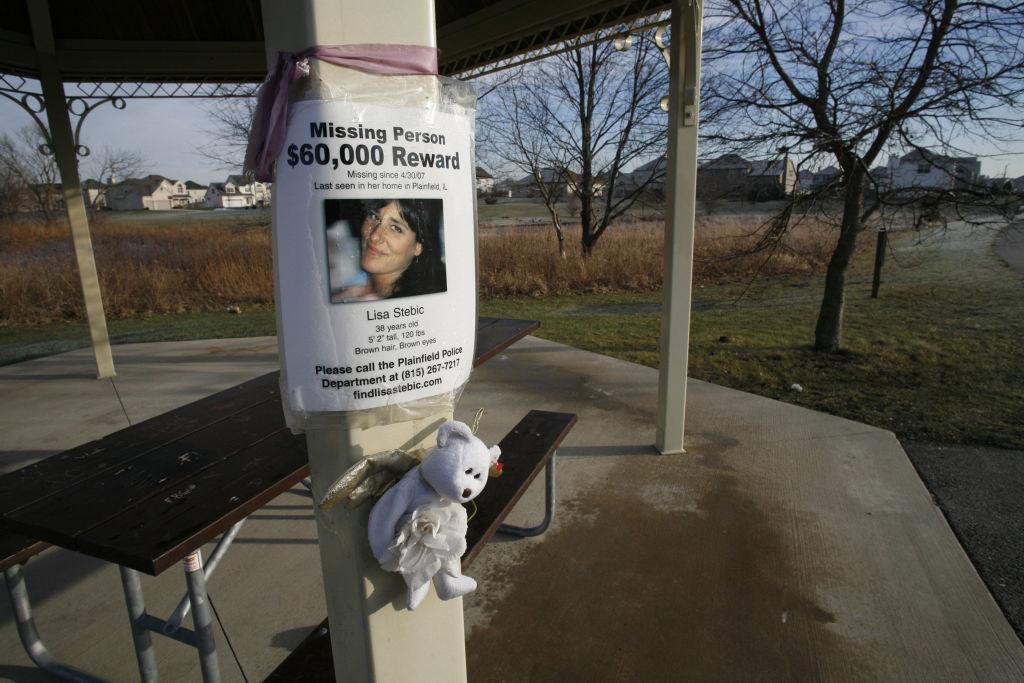
Reynolds-Tylor: “I'd like to point folks to the resource that lives on ChicagoMissingPersons.com. It’s a know-your-rights resource that just equips folks with the language — word by word — what to say to police. … Within that guide is some advice that we were able to gather from people who had experienced missing loved ones before — things like bringing an advocate with you when you are attempting to report your loved one missing, creating flyers, and actually canvassing.”