

Earlier this month, the City Council approved Mayor Brandon Johnson’s $1.25 billion borrowing plan to fund economic developments and affordable housing projects. Part of that plan includes letting dozens of tax increment financing, or TIF, districts expire.
University of Illinois Chicago urban planning professor Rachel Weber told the City Cast Chicago podcast why the city is always talking about TIFs.
This interview has been edited for length and clarity.
What is a TIF?
“TIF is a municipal financing tool that allows local governments, like the City of Chicago, to fund development projects and pay for infrastructure using property tax revenues that are generated over time by properties within that TIF district. Basically pull from or draw from the future property tax revenues to pay for development expenses in the present.”
Why does Chicago have so many TIF districts?
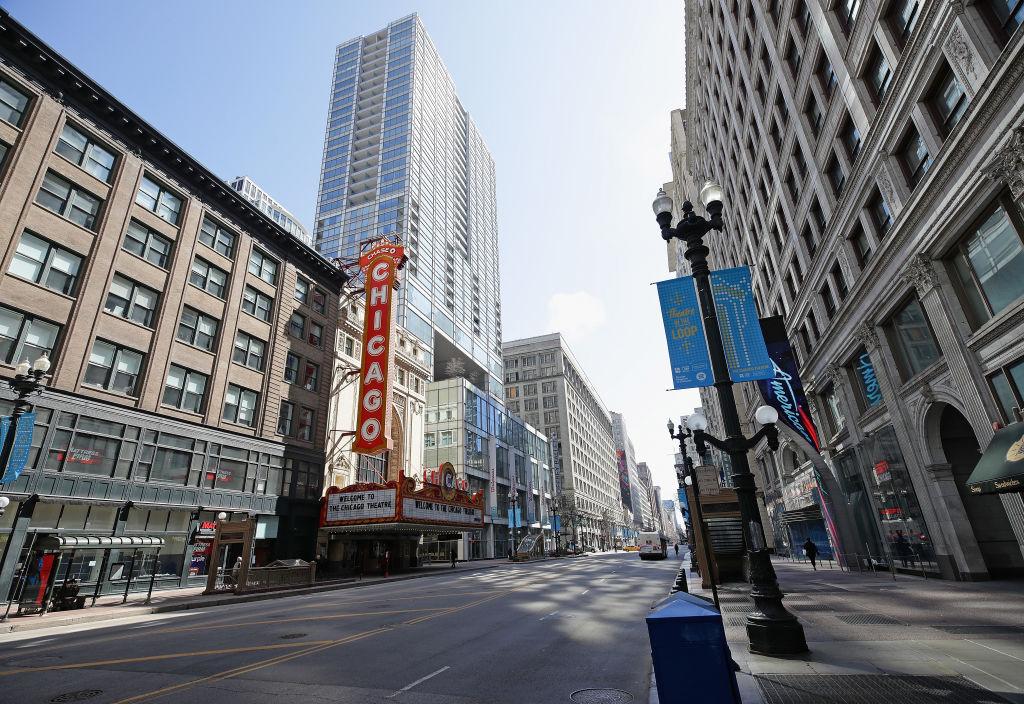
“The first district in Chicago was designated around 1983–84 by Mayor Harold Washington. It was the Central Loop TIF District. But if you looked at the number of TIF districts online, it really shot up in the 1990s during Mayor Daley's term — Mayor Daley II — and he was very open about the fact that this was a way he saw local governments being able to pay for things that the city needed.”
How is Johnson’s plan different from past TIF reform efforts?
“What the mayor is proposing is a step in a very different direction, which is to let these existing TIF districts expire and to use the revenues that are there in ways that can benefit places that are not in a TIF district. You're effectively liberating the property tax revenues that had been constrained in those TIF districts, at least spatially or locationally. So it gives the city a lot more flexibility to fund good projects all over the city.”