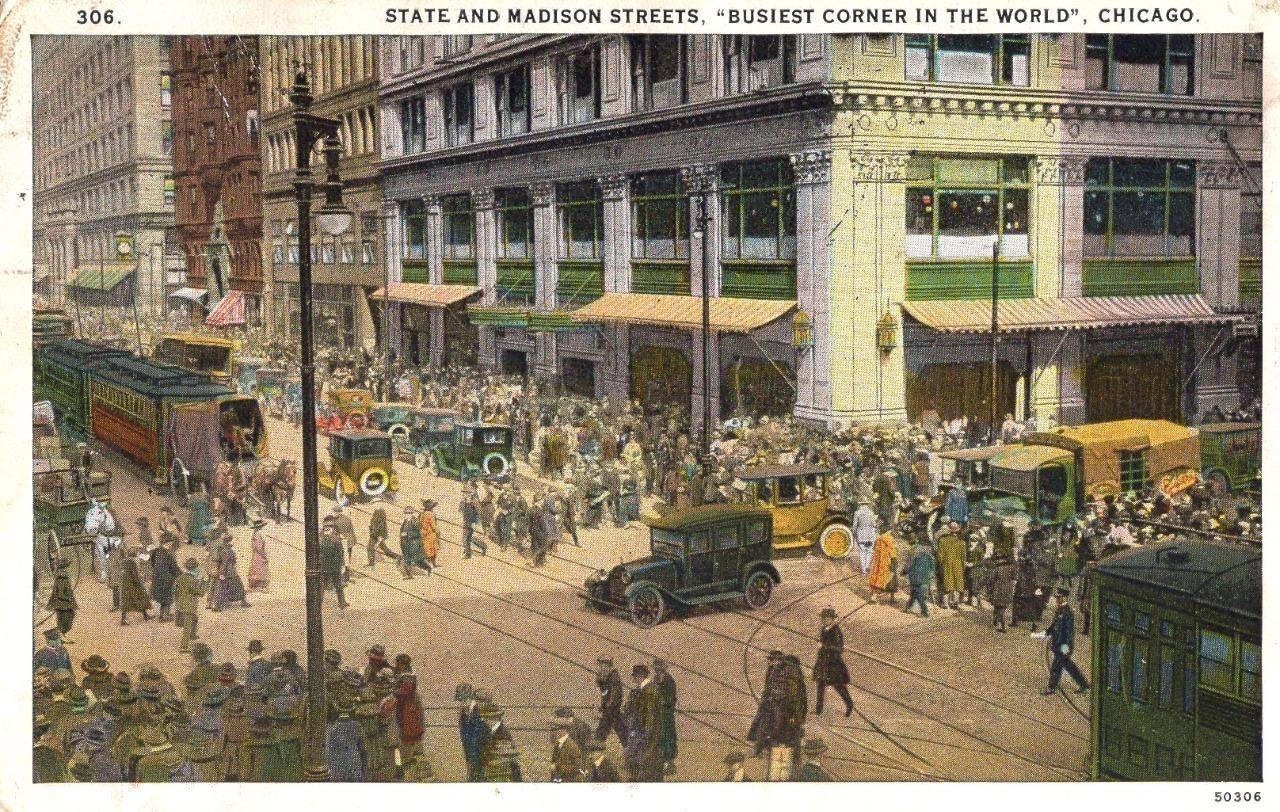
Even big Chicago history buffs might not know about the taxi wars of the 1920s, when the Yellow Cab Company and Checker Taxi Company were the biggest players vying for dominance on the streets of Chicago.
But writer Anne Morrisy grew up hearing about the taxi wars: Her great grandfather Charles W. Gray had worked his way up Yellow Cab from driver to president. Speculation around his mysterious death and curiosity about the era led Morrisy to write her new book, “Street Fight: The Chicago Taxi Wars of the 1920s.”
This interview has been edited for length and clarity.
Why don’t more Chicagoans know about the taxi wars?
“It was this period of time in Chicago when there was so much going on — various street battles happening around prohibition, organized crime, and Al Capone — that some of the other things that were going on got eclipsed, including the violence that was the taxi wars in Chicago.”
How did violence escalate from disputes over union membership and cab fare to “business-related terrorism and deadly violence?”
“The unions could be taken over by organized crime. … They would intimidate and terrorize the union membership so that they could have control and then use that control to engage in extortion or other illegal acts. When they came in and started taking over the Teamsters Union [the main taxi driver union], that's when the violence really ratchets up to the next level.”
In what ways did the taxi wars shape Chicago today, especially with Uber and Lyft in the last 10 years?
“A lot of that violence that was happening on the streets in the 1920s led to City Council developing all kinds of regulations around the taxi industry. They had mandatory background checks on drivers. They required you to identify what company you were driving for in your car.”
“Those are the regulations that when the rideshare companies came in, they said, ‘Well, we don't think we should have to abide by those. We don't think those are important or relevant or reflect our modern world.’”
“Part of me thinks: Is it that they didn't reflect our modern world anymore or is it that we didn't remember why they had been established in the first place? Because we had forgotten the history of violence that led to the regulation of the industry.”

Author Anne Morrisy of “Street Fight: The Chicago Taxi Wars of the 1920s.” (Anna Urban Photography)
Meet Morrisy and learn more about the book at Madison Street Books in West Loop tonight and at The Book Stall in Winnetka June 20.