Chicagoland has seen summer-like temperatures, storms, tornadoes, and winter weather in the last couple days. Feel uneasy? Willowbrook therapist Marilee Feldman helps Chicagoans navigate climate anxiety. She shares tips on how to manage your fears.
What are Chicagoans’ Climate Concerns?
In addition to anxiety, Feldman said patients share feelings of:
- Guilt because they want to live more ecologically friendly.
- Moral outrage at people in leadership roles and corporations.
- Hopelessness at the individual level.
- Grief over their futures and the futures of their children.
- Isolation because the problem is so big, it can feel like nobody is talking about it.
Those feelings can affect decisions over whether to recycle, book a flight, or have a kid. But identifying those feelings is a crucial first step.
“It's just imperative that we help people deal with their feelings so that we, as a society, can take collective action,” Feldman said.
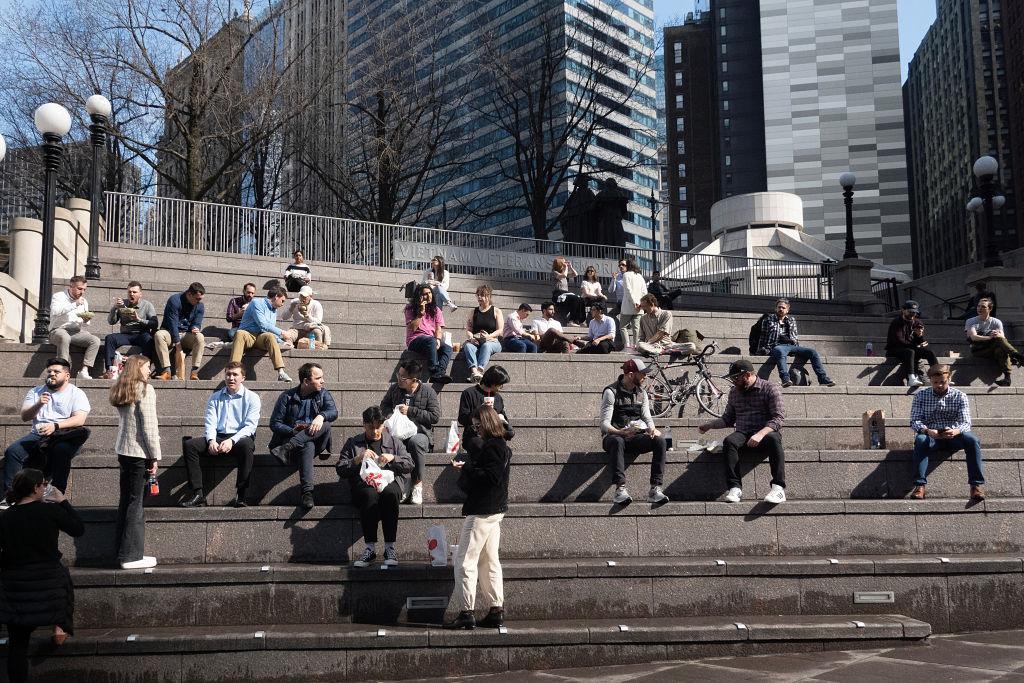
Chicagoans along the Riverwalk during an unusually warm day Tuesday. (Scott Olson / Getty)
When to See a Professional
While climate anxiety is a rational response to an external danger, it might be time to seek out help if your mental health is affected, Feldman said.
That might look like obsessively reading the news, always feeling sad or anxious, or being unable to do your job or schoolwork.
There’s a growing number of climate-aware therapists like Feldman who have navigated their ecological distress and are helping others become “climate resilient,” aka accepting and adjusting to the reality of the world.
The Benefits of Community
Feldman and other regional members of the Climate Psychology Alliance put on climate cafes, in-person and online meetings where people can share their journeys and feel less isolated.
The next one is at the Peggy Notebaert Nature Museum Friday at 4:30 p.m., and the group is taking inquiries to facilitate climate cafes for other community groups.
“Environmentalist Bill McKibben said, ‘The best thing an individual can do about the climate crisis is not be such an individual,’” Feldman said. “We have to do it within community.”