
Practically every Chicagoan will tell you that their city has the greatest architecture in the world. So why is Chicago so obsessed with its architecture?
“The history of Chicago and its people is written in its architecture,” said Sun-Times architecture critic Lee Bey on a recent City Cast Chicago episode. Here are a few notable terms to help you appreciate Chicago’s buildings and impress everyone you know ahead of this week's Architecture & Design Film Festival.
Bungalow
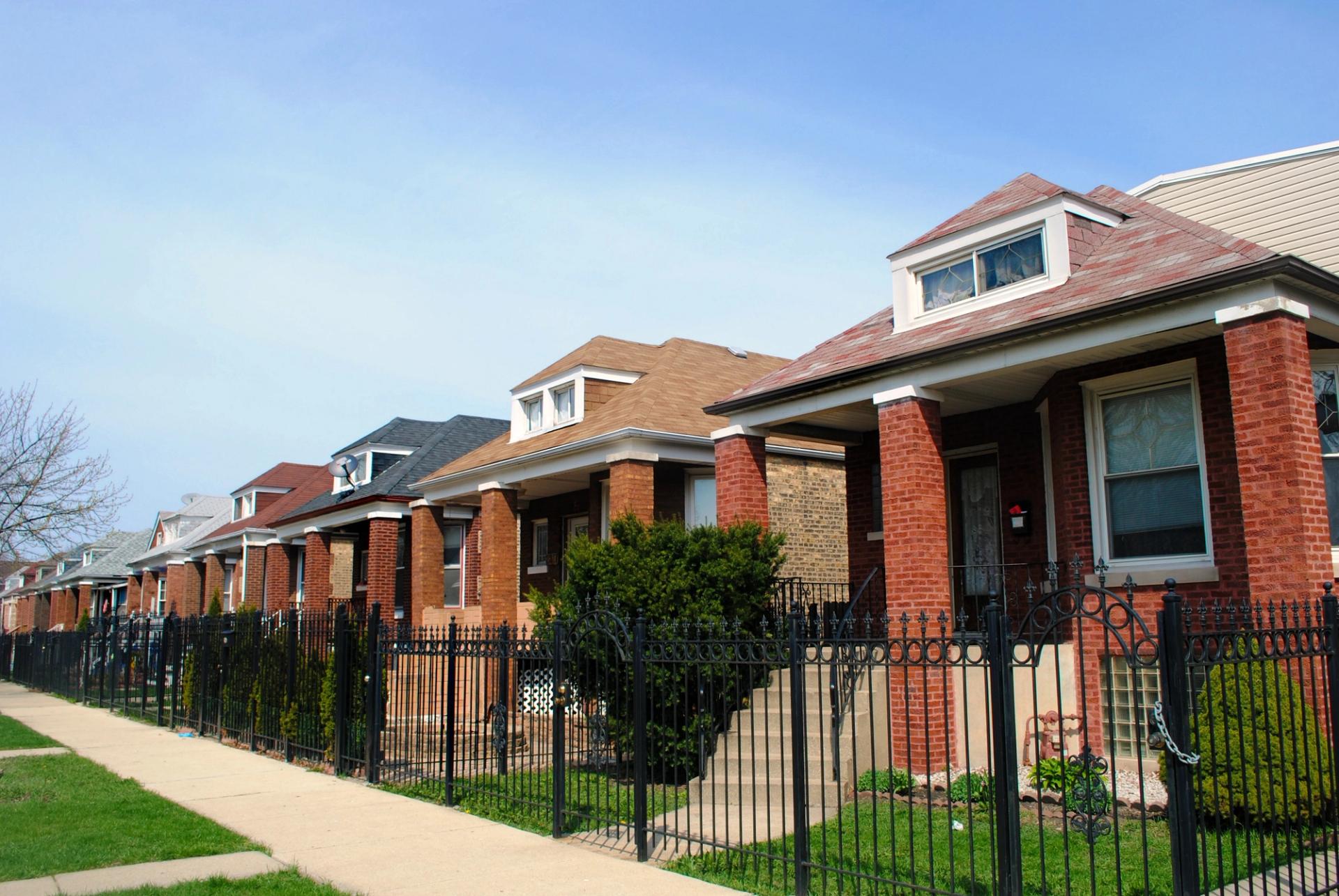
According to Bey, a Chicago bungalow is kind of a “different animal” from the tropical style where it gets its name. These homes are typically 1.5 stories high, made of brick, relatively narrow, and fireproof.
- Where can you find bungalows in Chi? Head for the “Bungalow Belt” from the far Northwest to the Southwest and Southeast sides.
High-Rise and Skyscraper
“You can start a fist fight in a bar” over the differences in these building types, Bey told us. So to keep you safe out there, here’s the breakdown: A skyscraper can be a high-rise, but not all high-rises are skyscrapers. If he had to put his boxing gloves on, Bey said a building over 14 stories is a skyscraper.
- Where to find examples of both? Many of the condos and apartments along the lakefront are considered high-rises and are typically shorter than the skyscrapers downtown.
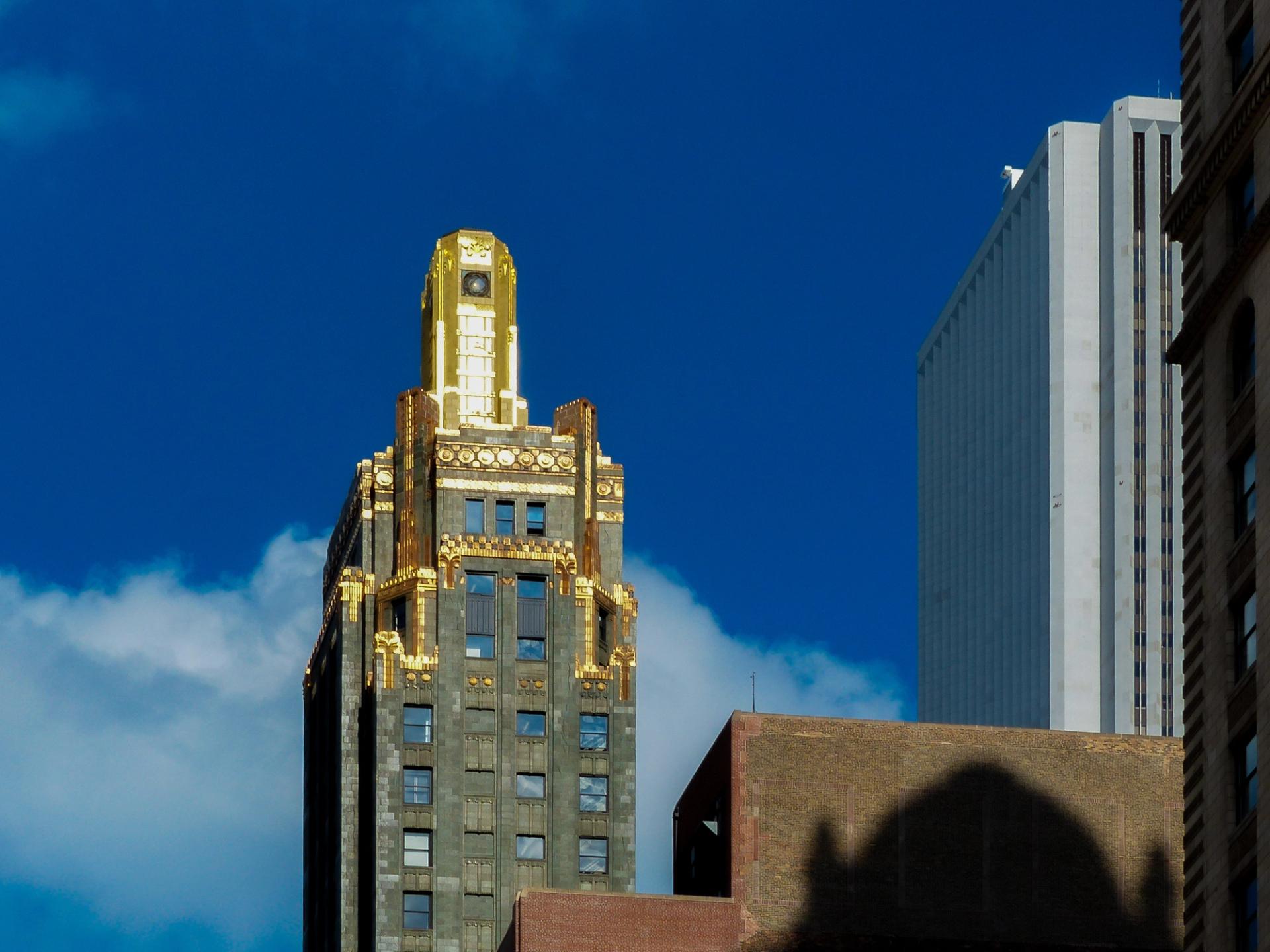
The Carbide and Carbon Building. (Christophe Merceron / Getty Images)
Art Deco
This architectural style originating in France and influenced by Egyptian architecture is characterized by stylish and streamlined geometric shapes. It became popular in the U.S. in the 1920s and 1930s.
- Which Chicago buildings are in this style? Check out the Carbide and Carbon Building, the Chicago Board of Trade, Merchandise Mart, and Lee’s favorite, the Chicago Vocational High School.
And there’s so much more 📣 From greystones to modernism, dive deeper into Chicago architecture on the City Cast Chicago podcast.