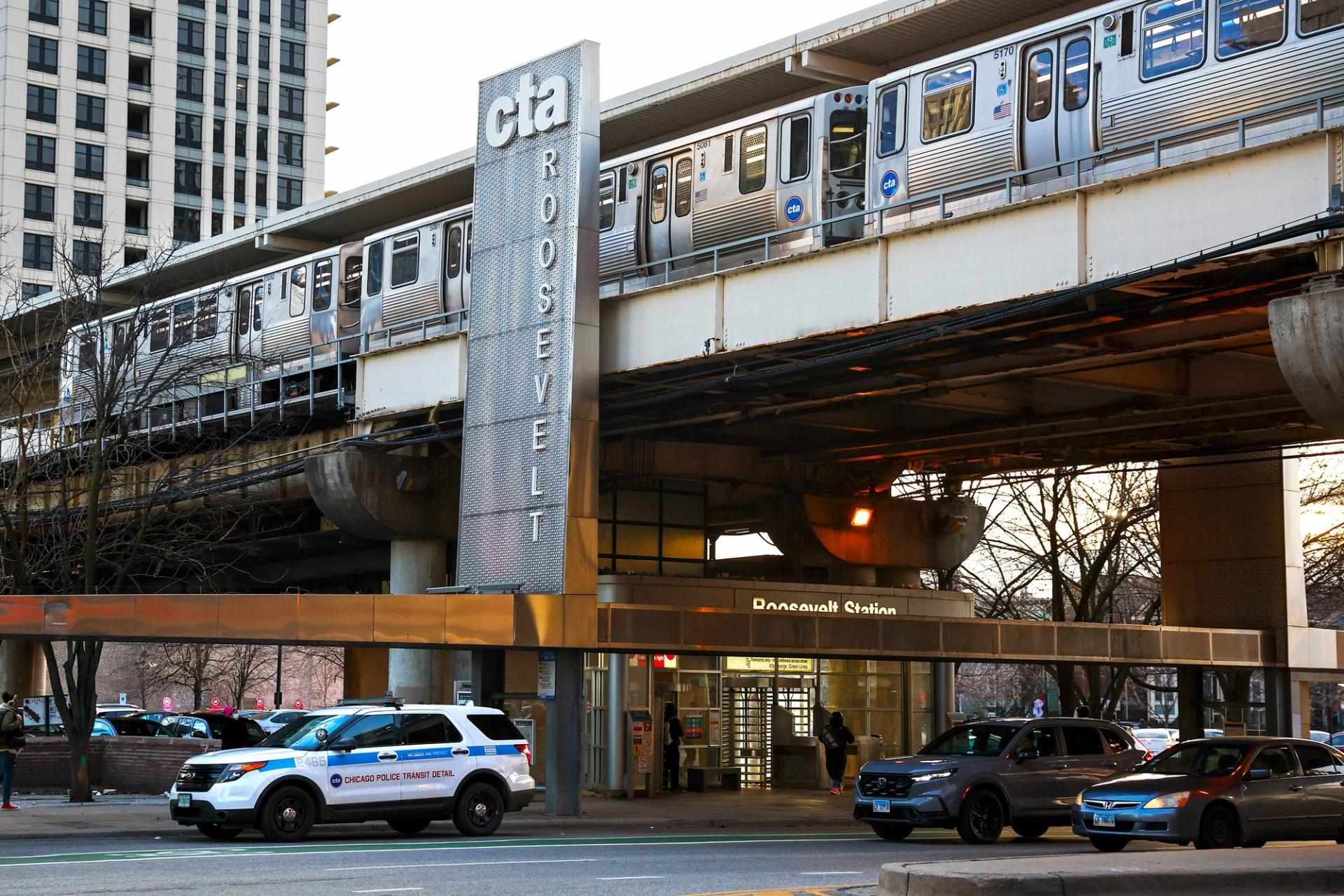
As I sat recently waiting 18 minutes for a Red Line, I wondered nervously what 40% reduced CTA service might look like. But on Sunday morning, the Illinois General Assembly adjourned its spring session without passing legislation to address the transit system’s fiscal cliff. What went wrong? And is there a chance lawmakers will reconvene?
What Got Passed
Just minutes before its Saturday night deadline, the Illinois General Assembly passed a $55 billion balanced budget for 2026. The package included $300 million in cuts to health care for undocumented residents aged 42 to 64.
The state will bring in about $800 million in tax hikes, including on tobacco products and online sports betting, while also implementing an amnesty program to collect from delinquent tax filers and taxing large corporations that store assets overseas.
Meanwhile, funding for K-12 education will increase by $307 million at the cost of a grant program for high property tax, low real estate value districts.
However, transit bailout legislation failed to pass the House. That means the CTA could face major cuts — soon.
A Proposed Transit Solution
Right now, CTA, Metra, and Pace, along with the Regional Transportation Authority (RTA), face a combined $771 million budget shortfall in 2026.
CTA will be the first agency to go off the so-called “fiscal cliff.” That could mean suspending service for half of CTA train lines, closure or drastic reductions at 50 train stations, and the elimination of 127 bus routes.
Late into the spring session, legislation was introduced to replace RTA with a new agency, Northern Illinois Transit Authority, which would set unified fares and create a dedicated transit police force.
Days later, Sen. Ram Villivalam proposed funding to address the fiscal cliff. Among the proposals were a 10% tax on Chicagoland ride-share trips and a $1.50 tax on food deliveries.
The state Senate passed the bill Saturday shortly before midnight, but it failed to get to the House floor before the Cinderella deadline.
Had the House voted before the clock struck 12, it could have passed with a simple majority. But for bills passed June 1 or later, the Illinois constitution requires a three-fifths majority.
A Potential Summer Session
Typically,
the Illinois General Assembly convenes each year from January until May 31st. Lawmakers then reconvene for two weeks every fall to consider any governor vetoes.
Post-May 31, the governor or the House and Senate leaders (through a joint proclamation), may call for a special session on specific subjects. In this case, a special session dedicated to a transit bailout seems likely.
On Monday, Villivalam told Block Club he expects a summer session “to get this package of reforms and funding across the finish line.”