

The “fiscal cliff” is approaching. If you’re following CTA news, you’ve heard the ominous phrase. Here’s what it really means — and why it’s coming to a head soon.
What is CTA’s “fiscal cliff”?
Right now, CTA, Metra, and Pace, along with the Regional Transportation Authority (RTA) face a combined $771 million budget shortfall in 2026. The gap is due in part to federal pandemic funding running out and low CTA ridership since 2020.
Wait, what is the RTA?
The RTA is meant to oversee finances for the transit agencies and help with planning. However, its power is extremely limited by state law. Only the CTA, Metra, and Pace actually determine service, schedules, and fares.
At a tense state House hearing in February, politicians called out the RTA’s lack of control. One state representative advocated they “totally blow it up.”
That’s exactly what’s being proposed in the Metropolitan Mobility Authority Act.
What is the MMA?
The Metropolitan Mobility Authority Act aims to replace the RTA with a new agency, the Metropolitan Mobility Authority (MMA). This would unite CTA, Metra, and Pace under a more official governing umbrella. Unlike the RTA, the MMA would make decisions about service for each of the three agencies.
The state would appropriate $1.5 billion to the MMA. Notably, this appropriation would cover the impending funding cliff. But the deadline is approaching. The Illinois General Assembly’s legislative session ends May 31.
What will happen to the CTA if nothing is passed?
The CTA will be the first agency to go “off the cliff,” per the RTA, potentially facing 40% service cuts. That means:
- At least four of the eight CTA train lines will suspend service.
- The CTA will close or drastically reduce service at over 50 train stations.
- Service on remaining trains would be cut by 10% to 25%.
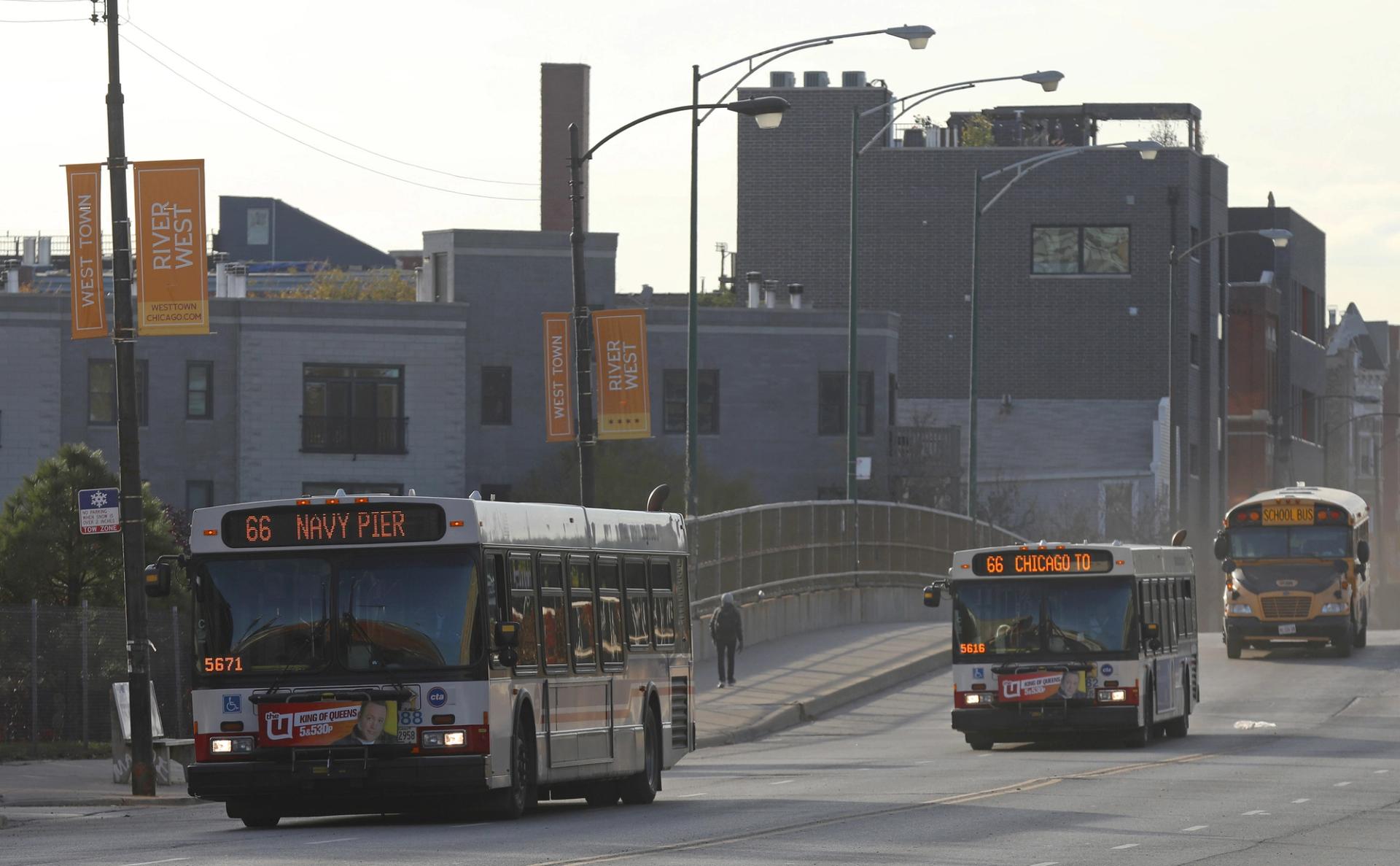
- Seventy-four of 127 CTA bus routes could be eliminated, affecting about 500,000 riders and leaving Chicago with fewer bus routes than Madison, Wisconsin.
- Combined with cuts to Metra and Pace:
- One of out of five workers employed within Chicago would lose access to their daily commute.
- Nearly 3,000 workers could be laid off statewide.
Would the MMA Solve the Problem?
In addition to avoiding the devastating cuts outlined above, proponents of the MMA say it would allow for greater coordination among the agencies. The legislation would also integrate fares and eliminate farebox recovery requirements.
But Chicago would lose direct control of the CTA, with suburban interests having more of a say in city transit. And the proposal doesn’t directly address the CTA’s staffing shortages or reports of poor working conditions. Some critics also take issue with how MMA board appointments would work.